Ireland tightens rules: new AML strategy to hit private crypto wallets
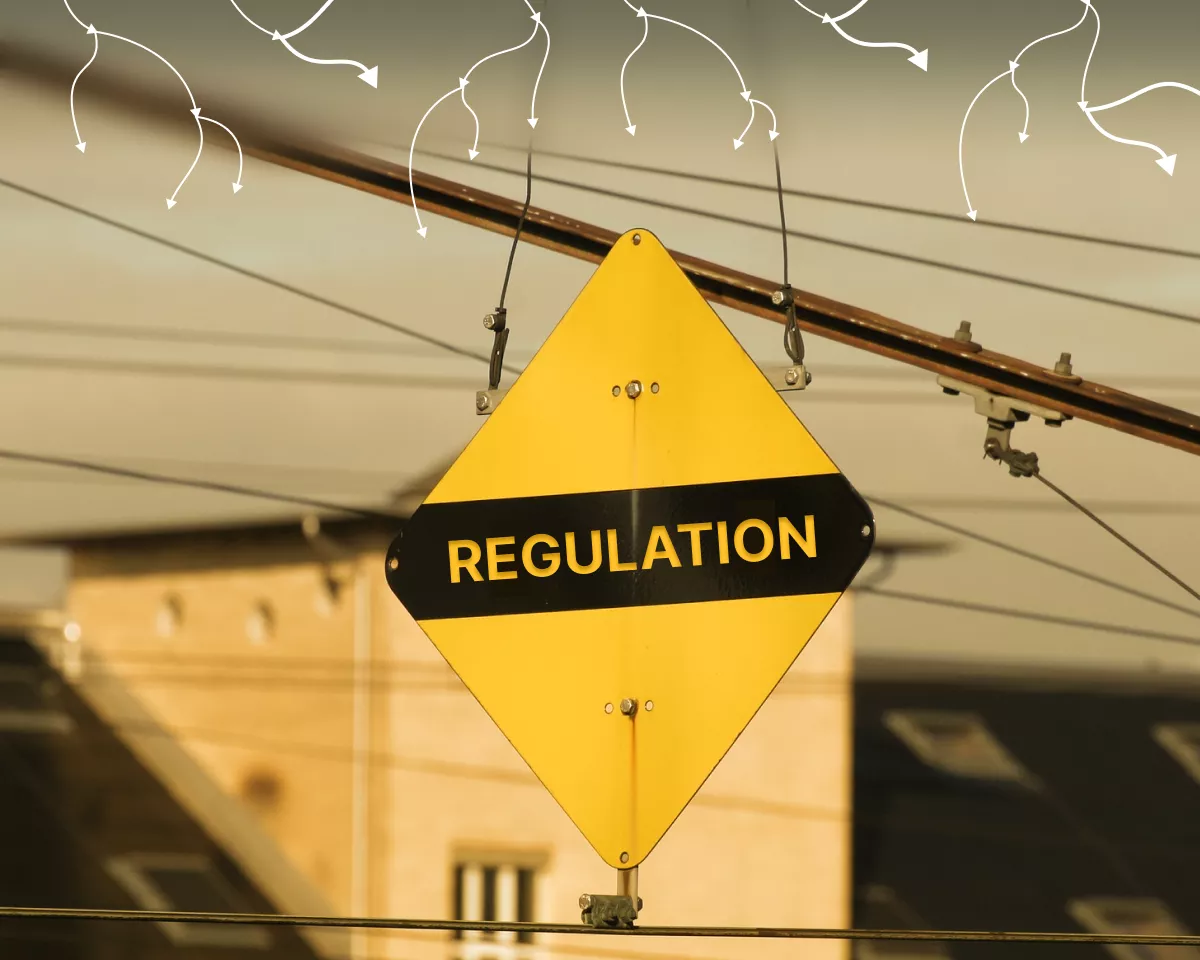
Ireland's Ministry of Finance has presented its first national strategy aimed at combating money laundering and terrorist financing in the cryptocurrency sector. This step marks a shift from passive observation to active regulation, which is particularly important amid the growing integration of digital assets into the traditional financial system.
A key element of the new policy is the introduction of enhanced checks for transfers originating from private (non-custodial) wallets. This is a direct indication that the anonymity valued by many users will now be treated as a heightened risk factor. Regulators require a deeper analysis of the origin of funds, which will inevitably affect the speed and convenience of transactions for retail investors.
In addition, the strategy provides for an increased level of due diligence when interacting with foreign crypto companies. Ireland is clearly seeking to avoid the fate of a "gray zone" where funds from other countries could be laundered through local jurisdictions. Particular attention is paid to the gambling industry: gaming operators are now required to implement strict industry standards when accepting cryptocurrencies. This means that using bitcoin or stablecoins for bets will no longer occur without proper verification of identity and the source of funds.
Notably, the document notes a "well-advanced" level of legislation for implementing MiCA norms in terms of AML/CFT. This indicates that Ireland is not simply waiting for European directives but is actively preparing the national groundwork for their seamless implementation. However, the full transition to new industry standards is planned only for the second half of 2027. Such a time lag gives market participants time to adapt, but also points to the complexity of technical implementation.
From my point of view, this is a signal for the entire European jurisdiction: the regulation of privacy is becoming an inevitable trend. Ireland is trying to find a balance between innovation and security, but the tightening of control over non-custodial wallets could push some users toward even more hidden tools, such as mixers or decentralized exchanges. The question is whether the regulator can effectively track these flows without harming the legitimate use of cryptocurrencies.