Ireland tightens the rules of the game: new AML strategy hits private wallets and gambling
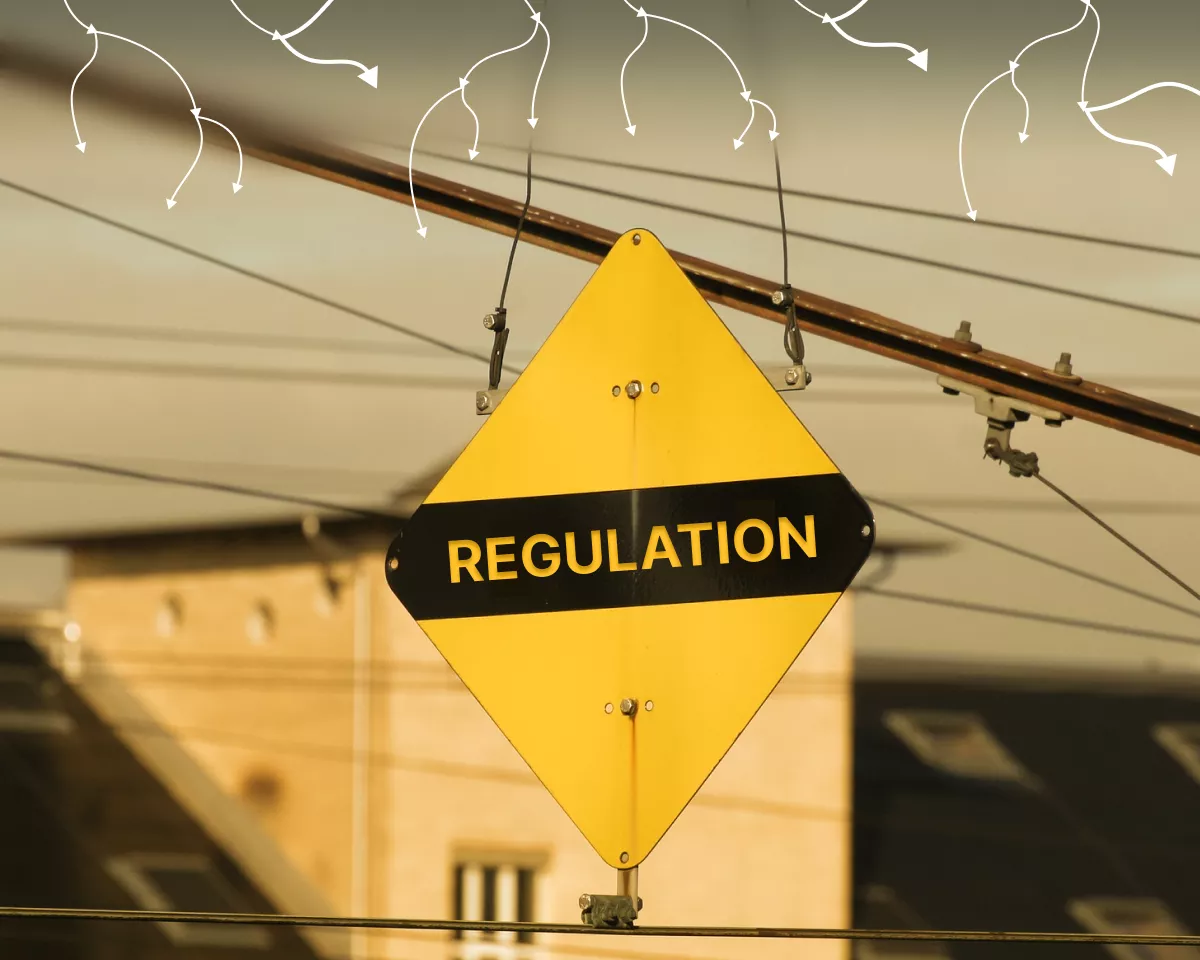
Ireland's Ministry of Finance has presented the country's first-ever national strategy to combat money laundering and terrorist financing (AML/CFT). This is not just a formal document — it is a signal to the market that the regulator intends to bring cryptocurrency flows, which previously remained in a gray zone, under strict control.
What changes for users and businesses
The key blow has been struck against private crypto wallets. Now, any transfers from such addresses will be subject to enhanced checks. This is effectively an acknowledgment that anonymity in digital assets is becoming a luxury that regulators can no longer afford. For Irish crypto companies working with foreign counterparties, an increased level of due diligence is being introduced — they will have to prove the origin of funds and the business reputation of partners with particular rigor.
Standards for the gambling industry are separately outlined. Accepting cryptocurrencies as a source of funds for gambling will now be regulated by industry norms. This is a logical step: gambling is often used for money laundering, and Ireland, where this sector is legalized, does not want to turn into a laundromat for illegal capital.
MiCA as the foundation
The document notes that the implementation of MiCA norms regarding AML/CFT is at a "well-advanced" stage. This is important because European regulation is becoming a unified standard, and Ireland clearly aims to be at the forefront rather than a lagging link. Industry standards are planned to be introduced in the second half of 2027 — the timelines are ambitious but realistic, given the pace of rulemaking in the EU.
For the market, this means one thing: the era of unrestricted anonymity in Ireland is coming to an end. Those who counted on a lenient regime must reconsider their strategies. The regulator is clearly determined to systematically combat shadow flows, and this is only the first step in a long chain of tightening measures.
My analysis: Ireland's strategy is not an isolated decision but part of a global trend. After the implementation of MiCA, we will see a wave of similar national initiatives across the EU. The crypto industry will have to adapt to a new reality where transparency is not an option but a mandatory condition for survival. The only question is how quickly businesses can restructure their processes without losing clients.