Ireland tightens the rules: the first national AML strategy hits private crypto wallets
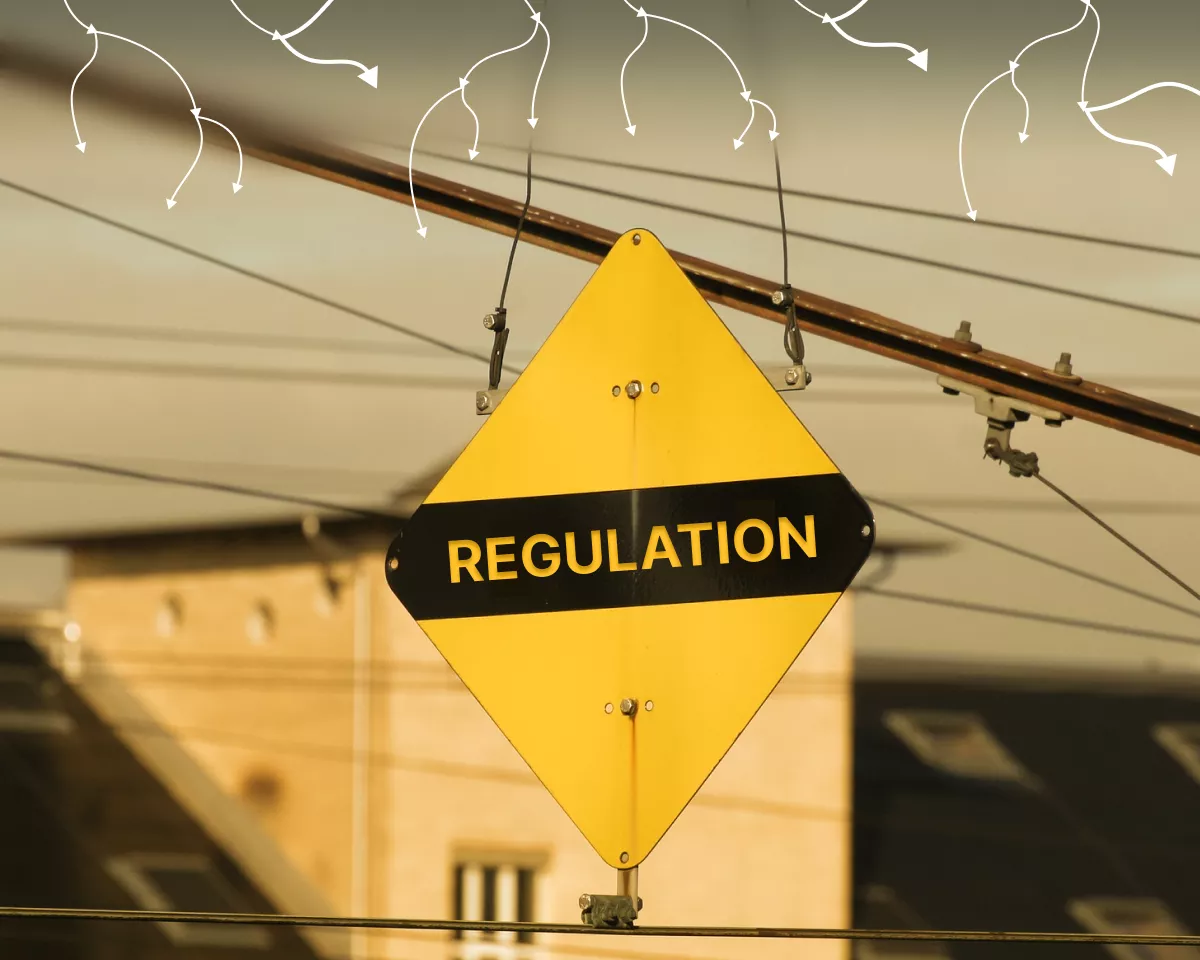
Ireland's Ministry of Finance has presented the country's first-ever comprehensive document aimed at combating money laundering and terrorist financing in the cryptocurrency sector. This is not merely a formality, but a systemic signal to the market: the regulator intends to close the most painful points of anonymity.
The key blow targets private wallets. Now, any transfers from such addresses will be subject to enhanced checks. This involves not just basic KYC, but also a deeper analysis of the origin of funds. For foreign crypto companies wishing to work with Irish counterparties, an elevated level of due diligence is introduced — meaning that a mere "good reputation" is no longer sufficient; a transparent ownership structure and proof of compliance with AML standards will be required.
Special attention is paid to gambling. Ireland, where the gambling business is legalized and brings in significant tax revenue, will now require operators to implement industry standards when accepting cryptocurrencies. This is effectively an acknowledgment that digital assets have become an integral part of the payment landscape, but their use in gambling requires additional oversight.
Notably, the document assesses the implementation of MiCA norms in terms of AML/CFT as "well advanced." This indicates that the country is not waiting for European directives but is moving ahead of the curve. The industry standards in question are planned to be introduced in the second half of 2027, giving businesses a window of time for adaptation, but not postponing the tightening indefinitely.
My analysis: Ireland is consistently becoming one of the strictest crypto regulators in the EU. The tightening of checks on private wallets is a direct challenge to the ideology of decentralization, but from the perspective of institutional adoption, such steps are inevitable. For legitimate players, this is rather a plus: clear rules reduce the risks of sudden sanctions. However, for those who value anonymity, Ireland is becoming an increasingly less friendly jurisdiction. The market should prepare for similar strategies to emerge in other EU countries, especially after MiCA fully comes into force.