Ireland tightens the rules of the game: new AML strategy hits private wallets and gambling
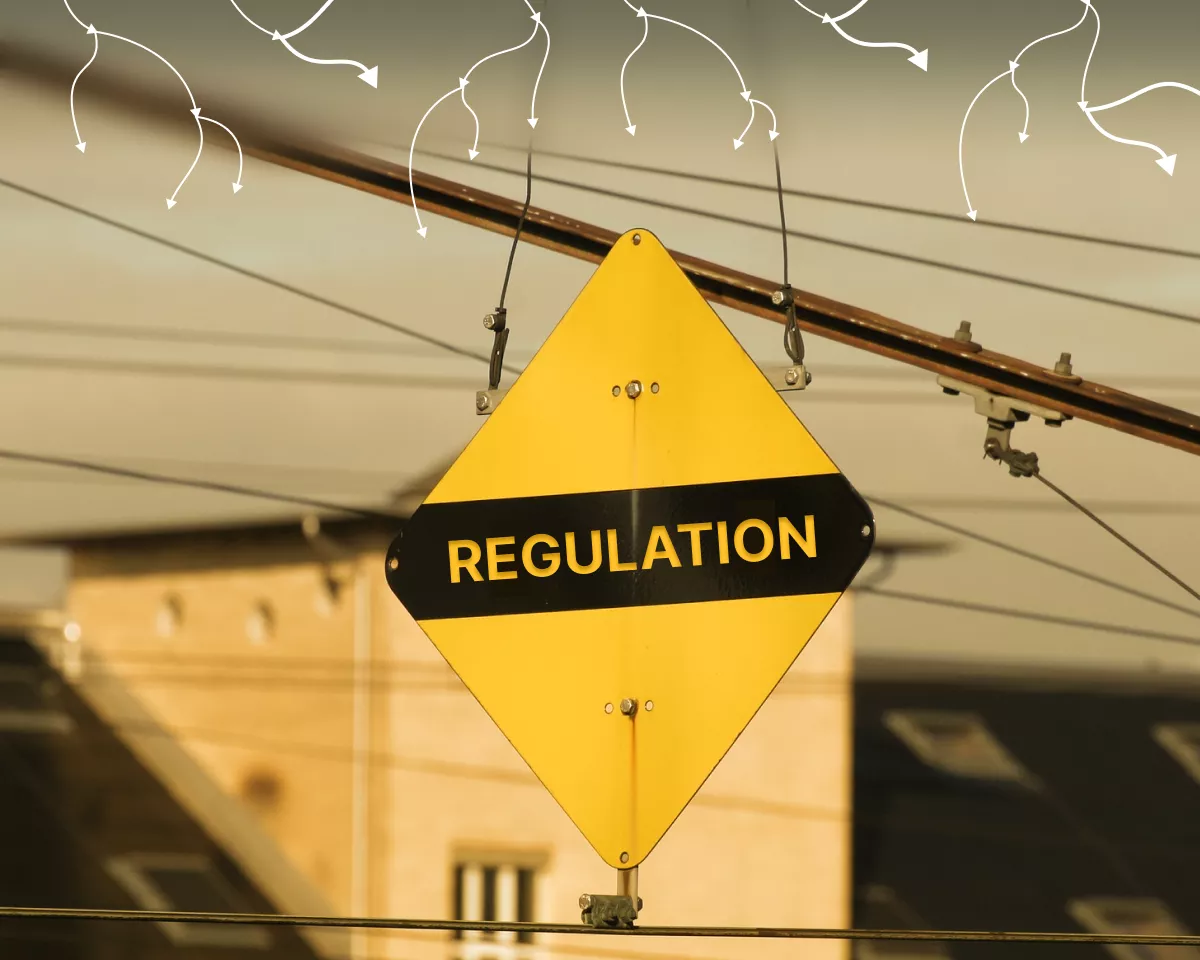
Ireland's Ministry of Finance has presented the country's first-ever national strategy to combat money laundering and terrorist financing (AML/CFT). This document is not just a formality, but a signal to the entire market: Dublin intends to become one of Europe's strictest regulatory hubs in the digital assets sphere.
The key blow falls on private crypto wallets. Transfers from such addresses will now be subject to enhanced checks, effectively blurring the line between anonymity and suspicious activity. For the industry, this means one thing: if you work with self-custody solutions, get ready for additional requests from banks and exchanges.
Special attention is given to foreign crypto companies. Ireland is introducing enhanced due diligence for all international players wishing to work with local clients. This creates a precedent where even major international platforms will be forced to disclose their beneficiaries and liquidity sources at a level comparable to the banking sector.
Gambling has not been overlooked either. Industry standards for accepting cryptocurrencies as a source of funds for gambling will be implemented in the second half of 2027. This is a long-awaited step that will finally bring operators accepting bitcoins and stablecoins out of the gray zone.
The legislative framework for implementing MiCA norms regarding AML/CFT is already assessed as "well advanced." This indicates that Ireland is not just catching up with European directives, but is actively preparing the ground for their strict application at the national level.
My analysis: Ireland's strategy is a mirror of the EU's future regulation. Enhanced control over private wallets will hit those who use them for legitimate transactions, but it is precisely such measures that will make institutional investors feel safer. The market should prepare for anonymity to become a luxury, and compliance — the main competitive advantage.