Ireland tightens crypto market rules: new strategy to combat money laundering
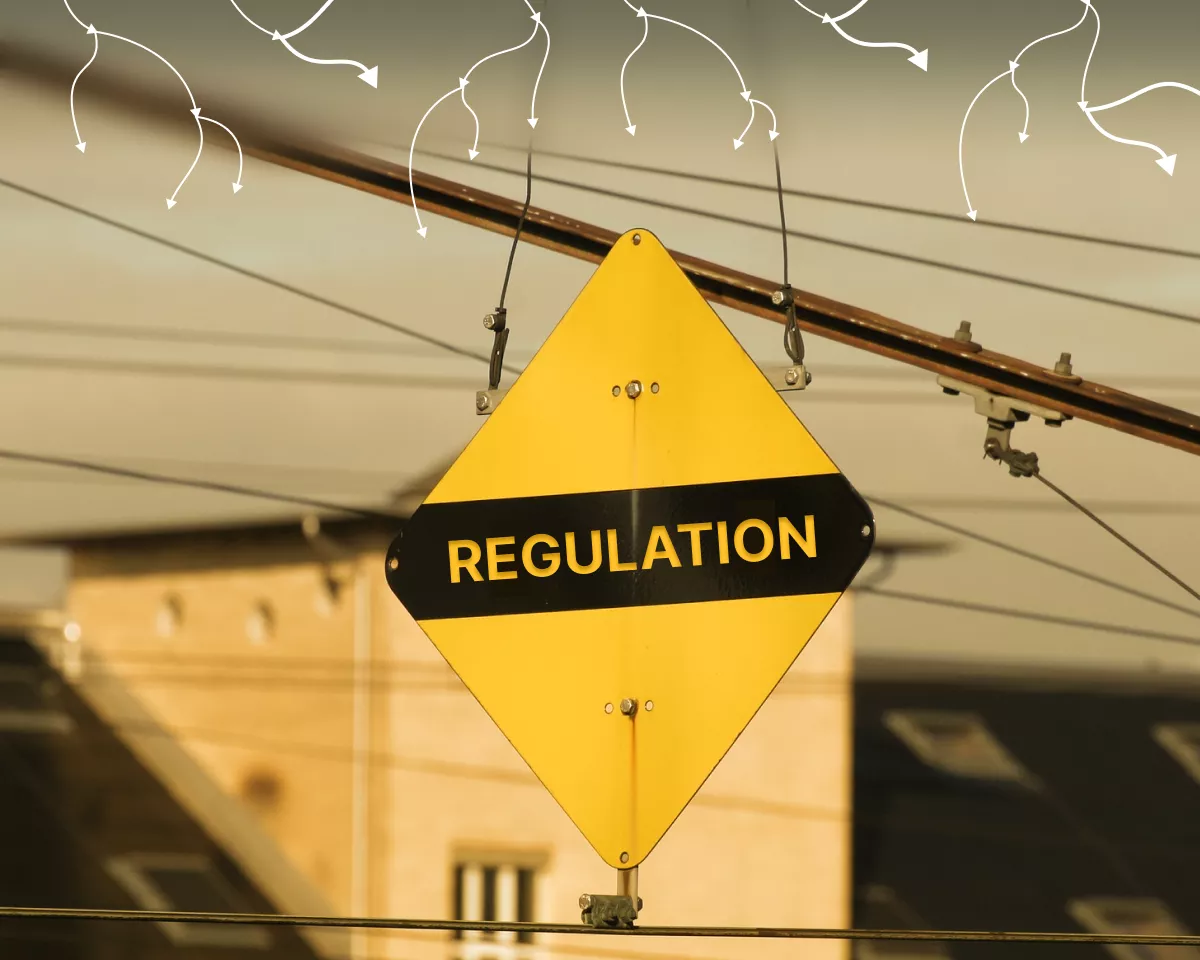
Ireland's Ministry of Finance has presented its first national strategy aimed at combating money laundering and terrorist financing in the cryptocurrency sector. This step marks a transition from piecemeal regulatory measures to a systematic approach in overseeing digital assets.
A key element of the new policy is enhanced checks on transfers from private crypto wallets. This concerns cases where funds are moved without the involvement of regulated intermediaries, which is traditionally considered a high-risk area. Operators are now required to apply stricter verification procedures, effectively closing the loophole for anonymous transactions.
Special attention is paid to interaction with foreign crypto companies. An enhanced due diligence level is being introduced for them. This means that Irish financial institutions and crypto exchanges will be obliged to conduct in-depth analysis of the business reputation, sources of capital, and beneficial owners of foreign partners. In essence, this is a barrier to the entry of structures with questionable histories into the Irish market.
Industry standards for accepting cryptocurrencies as a source of funds for gambling are separately outlined. This sector has long been under close regulatory scrutiny due to high risks of abuse. The new rules establish clear frameworks for gambling operators, who must now verify the origin of their clients' crypto assets.
As for the implementation of the European MiCA regulation's norms in the AML/CFT part, the Irish regulator assesses the current level of readiness as "well advanced." This indicates that the country is not merely adapting to pan-European requirements but also seeks to take a proactive position in their implementation.
The industry standards enshrined in the strategy are planned to be implemented in the second half of 2027. This gives market participants a time horizon to adapt internal processes and compliance systems.
My view: Ireland demonstrates a pragmatic approach, combining tough measures with clear timelines. The attention to private wallets is especially telling — it is a signal to the entire market that anonymity in transactions is becoming a luxury that regulators are no longer willing to tolerate. However, the success of the strategy will depend on how effectively these requirements can be harmonized with the practice of international payments, where Irish companies play a significant role.