Meta patents "smart" glasses with AI face recognition: a new take on capturing events
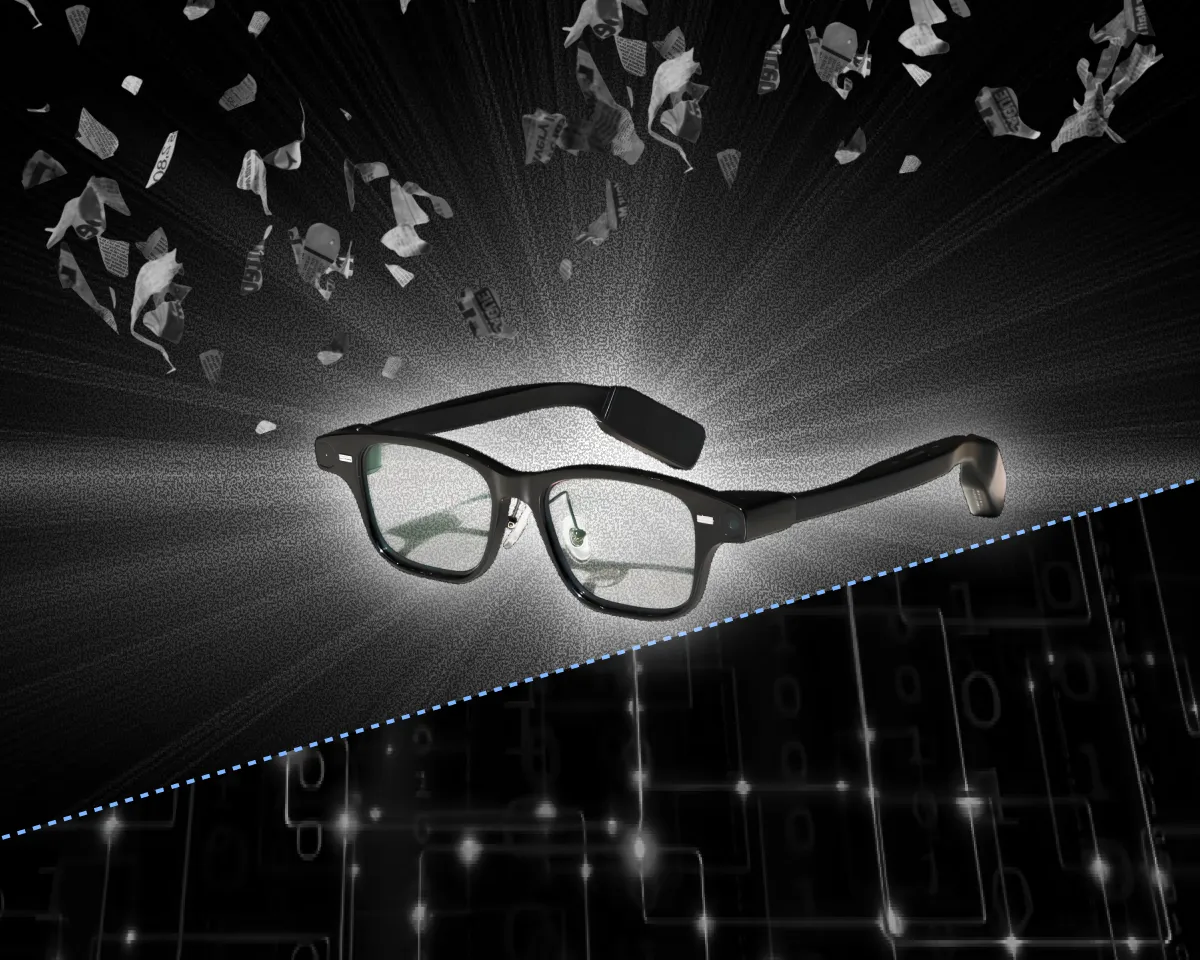
The United States Patent and Trademark Office (USPTO) has published a new application from Meta Platforms Technologies, revealing an ambitious project in the field of wearable electronics. The system, embedded in smart glasses, is capable not only of recognizing faces in real time but also of analyzing people's actions, automatically creating video highlights of key moments.
According to the documentation, the technology is based on complex computer vision and machine learning algorithms. Cameras built into the frame capture the video stream, after which an AI module identifies specific individuals, tracks their behavior, and marks fragments that may be of interest to the device owner. As an illustrative scenario, the patent describes a dinner party: the user wearing the glasses scans the guests, while the AI assistant in the background collects the "best moments of the evening," offering them as a ready-made compilation.
This step by Meta logically fits into the company's strategy for developing the metaverse and peripheral devices. Analyzing the patent, several key aspects stand out: first, the system could potentially operate autonomously, without cloud processing, which is critical for privacy and speed. Second, the emphasis on automatic editing suggests Meta's desire to simplify the user experience, sparing the owner from manual editing.
However, serious privacy concerns arise here. Facial recognition without the explicit consent of those around has already sparked controversy in Europe and several U.S. states. Meta, judging by the wording, is trying to circumvent this by focusing on local data processing, but legal risks remain high. A patent is not a guarantee of product launch, but rather a marker of research direction.
My analysis: This application is a clear signal that Meta sees the future in contextual recording, where the device "understands" the scene better than its owner. If the technology reaches commercial implementation, it could radically change the market for action cameras and wearable gadgets, but success will depend on how the company resolves the privacy dilemma in public spaces.