Meta has patented smart glasses with AI facial recognition: a new step toward automated content
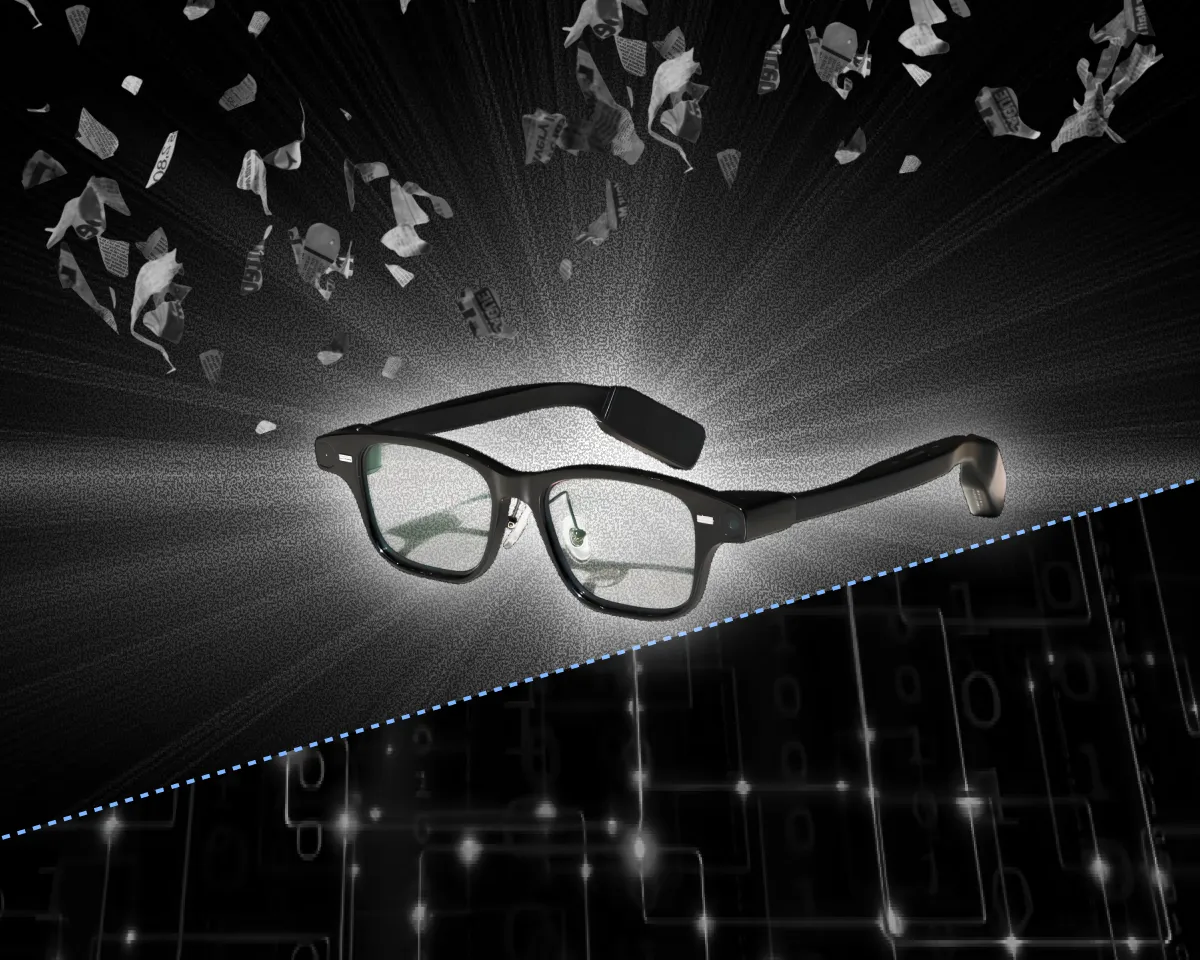
The U.S. Patent and Trademark Office has disclosed a new application from Meta Platforms Technologies that describes a revolutionary system for smart glasses. The technology is capable not only of identifying faces within the user's field of view but also of analyzing their actions in real time, automatically creating thematic video compilations.
The essence of the development lies in integrating advanced computer vision algorithms with contextual segmentation functionality. The system tracks facial expressions, gestures, and behavioral patterns of people appearing in the frame, after which an AI assistant offers the device owner ready-made clips flagged as key moments. The patent documentation illustrates this with a dinner party scenario: a user wearing smart glasses scans the guests, and the neural network instantly processes visual data and generates a selection of the evening's most striking episodes.
This move by Meta clearly signals the company's intention to strengthen its position in the wearable electronics segment, where competition with Apple and Google is intensifying. The technology could potentially radically change the approach to creating user content, freeing individuals from manual editing and searching for the best shots. However, like any product tied to biometrics, it will inevitably raise questions about privacy and the ethics of data usage.
It is important to note that a patent application is only the first stage, and there is no guarantee that the feature will appear in commercial products anytime soon. Nevertheless, the very existence of such development confirms the trend toward integrating AI into everyday devices, where the line between capturing and automatic analysis is increasingly blurring.
My analysis: Meta's patent is not just a technical novelty but a strategic bid for dominance in the "smart" video ecosystem. If the technology is implemented, it could become a catalyst for a new wave in the wearable device market, but success will depend on how well the company can balance innovation with growing regulatory demands for personal data protection.