Meta has patented "smart" glasses with AI face recognition: a new step toward automating video content
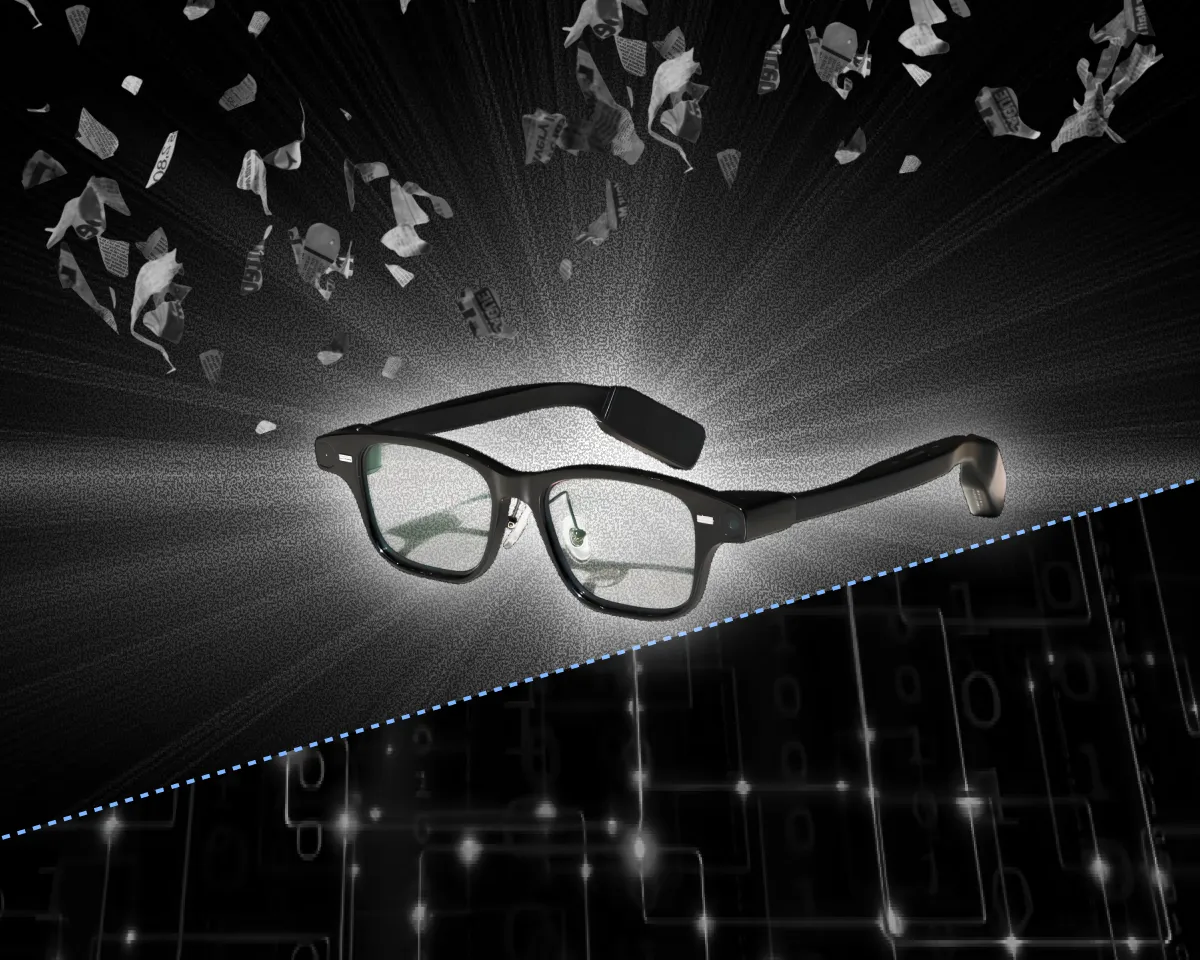
Meta Platforms Technologies continues to expand its technological arsenal in the field of wearable devices. Recently, the U.S. Patent and Trademark Office (USPTO) published the company's application describing an innovative system for smart glasses. This involves a complex capable of identifying faces in the user's field of view in real time, analyzing their actions, and automatically creating a compilation of marked video segments.
According to the submitted documentation, the key goal of the invention is to simplify the process of capturing significant moments without manual intervention. As an illustrative scenario, the developers cite a dinner party: the owner of the smart glasses device scans the guests, and the built-in AI assistant, recognizing familiar faces and assessing activity, offers the user a selection of the most striking episodes of the evening. This eliminates the need to manually review hours of footage, which is especially relevant for events with a large number of participants.
Technical details and potential risks
The patent application reveals the system's architecture, including computer vision, natural language processing, and machine learning modules. Particular emphasis is placed on contextual filtering: algorithms not only detect faces but also evaluate emotional reactions, gestures, and interactions between people, allowing only "meaningful" fragments to be selected. However, such features inevitably raise privacy concerns—especially given that facial recognition has long been a subject of heated debate in EU regulatory bodies and individual U.S. states.
Nevertheless, for Meta, this is not the first step in this direction. The company has already integrated augmented reality elements into its devices, and this application clearly signals its ambition to carve out a niche as an "automatic director" in the realm of personal video content. If the technology receives approval and reaches the market, it could radically change user habits, shifting the focus from passive recording to active curatorial data processing.
My analytical conclusion: A patent is not a guarantee of product launch, but it demonstrates Meta's strategic vector toward strengthening AI's role in consumer electronics. In the medium term, we may see the consolidation of such features within the company's ecosystem; however, without a clear solution to the privacy issue, mass adoption will remain in question. I am following developments.