Meta has patented smart glasses with AI facial recognition and automatic video selection.
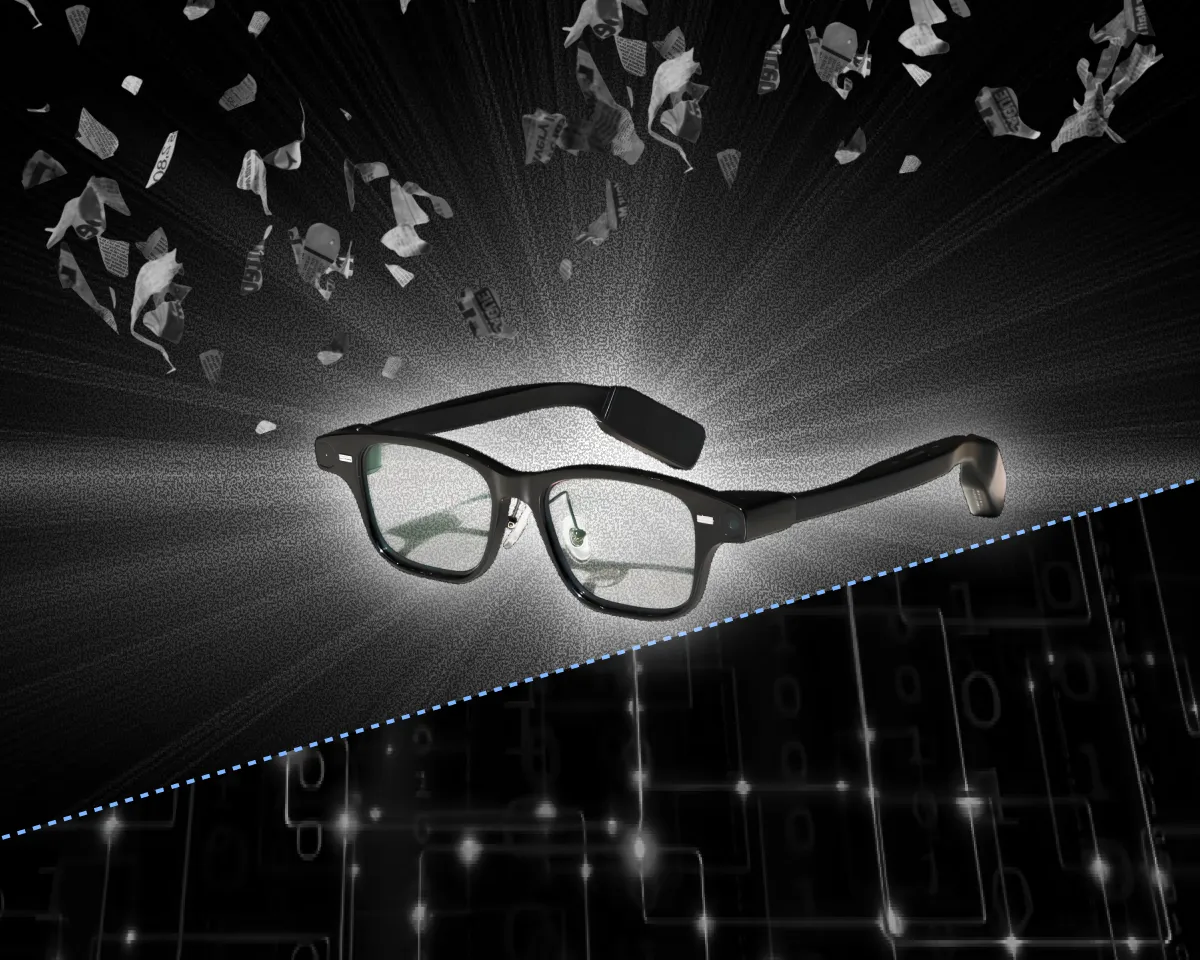
A new application from Meta Platforms Technologies has been registered with the U.S. Patent Office, revealing an ambitious development in the field of wearable devices. It concerns a system built into smart glasses that can identify faces in the user's field of view in real time, analyze their actions, and automatically generate video compilations of the most significant moments.
How it works: from a dinner party to smart editing
The documentation describes an illustrative scenario: the device owner attends a dinner party, scans the guests with their gaze, and the built-in AI assistant not only captures what is happening but also offers a ready-made selection of the evening's highlights. The key innovation is not in the recording itself, but in intelligent processing: the system evaluates emotional reactions, gestures, and interactions between people, filtering out secondary footage.
In essence, Meta aims to automate post-production, which traditionally requires manual labor. The algorithm learns based on behavioral patterns, allowing it to distinguish "lively" moments from background routine. This is a logical continuation of the company's strategy to integrate AI into consumer electronics, where the focus shifts from passive recording to active semantic interpretation of the video stream.
Technological context and risks
It is worth emphasizing that a patent is not a finished product, but rather a marker of research direction. Such applications are often filed to protect intellectual property long before a commercial release. However, the very fact of such development raises questions about privacy: facial recognition without the explicit consent of those around has already become the subject of legal disputes in the EU and several U.S. states.
Nevertheless, if Meta manages to overcome regulatory barriers, we will see a fundamentally new level of interaction with wearable gadgets. Instead of thousands of hours of raw video, users will receive concise, emotionally rich stories—and that is a completely different market.
My take: The technology looks promising, but its success will depend not on algorithms, but on ethical frameworks. As it stands, this is a Trojan horse for total surveillance, and Meta will have to work hard to convince regulators of the safety of its system. Otherwise, the patent will remain just a piece of pretty paper.