Meta has patented "smart" glasses with AI face recognition: a new level of video personalization
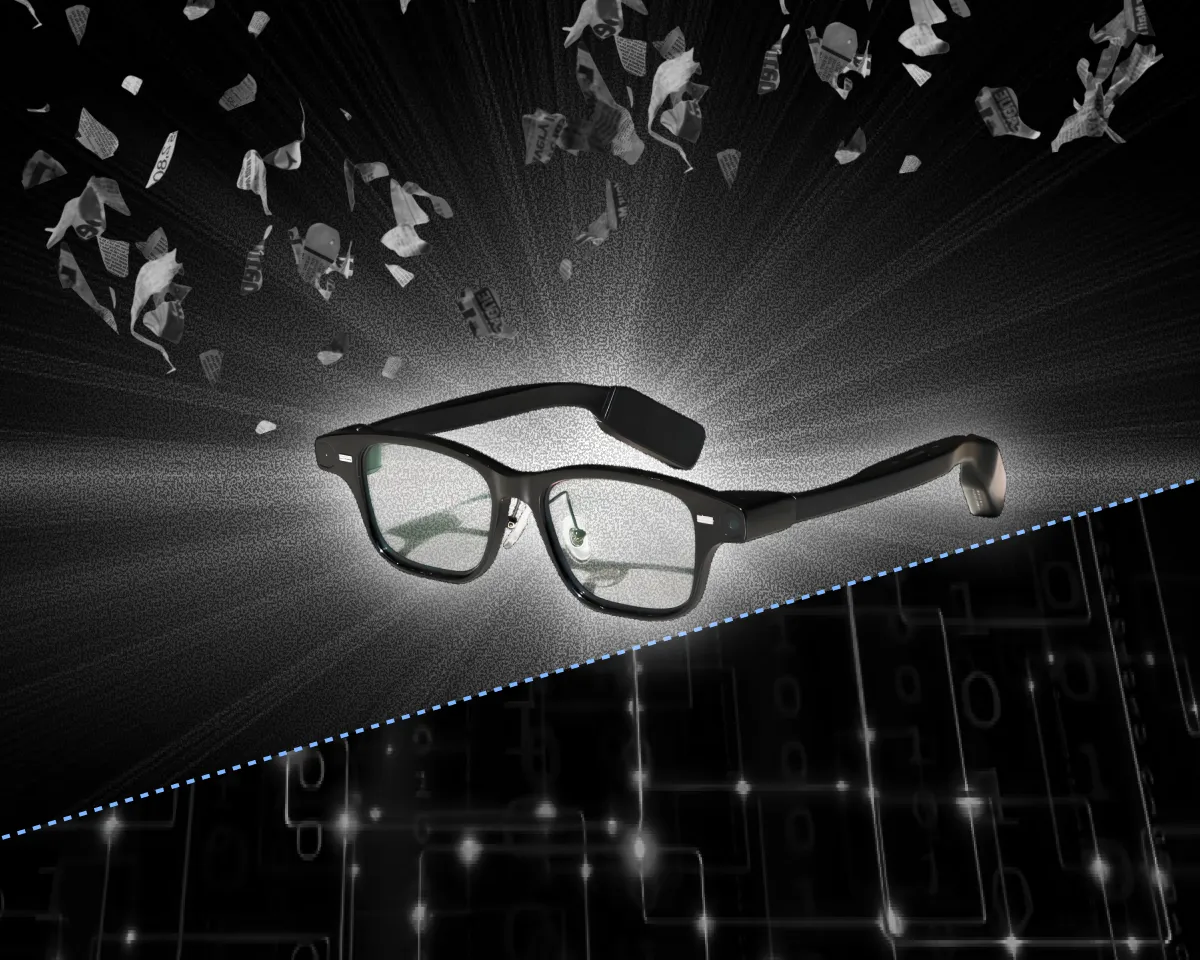
Meta Corporation continues to aggressively expand its hardware ambitions, and a fresh patent application published by the U.S. Patent and Trademark Office is direct proof of that. It concerns a system for wearable devices that elevates interaction with video content to a fundamentally new level: smart glasses gain the ability to recognize the faces of people around them in real time, analyze their actions, and automatically generate personalized video clips.
From scanning to semantic interpretation
At the core of the technology lies not just biometric capture, but a full-fledged AI assistant that works with the semantics of what is happening. As an illustration, the patent describes a dinner party scenario: a user wearing the glasses surveys the guests, and the system, identifying each person, tracks their behavior and emotional reactions. The AI then offers the device owner a selection of the "best moments" of the evening—those very fragments that, in the algorithm's opinion, hold the greatest value for memories.
This is a bid for deep integration of machine vision into everyday life, where the device becomes not a passive recorder, but an active co-author of memory. The key aspect is automatic video segmentation by faces and actions, which requires high on-board computing power and complex behavioral analysis models.
Legal and ethical contours
It is telling that Meta is filing such an application amid tightening regulation of biometric data in the EU and a number of U.S. states. The patent describes the technical implementation but remains silent on consent mechanisms for third parties whose faces would end up in the frame. This is a classic crossroads between innovation and privacy, where corporations have to walk a fine line.
From my expert perspective, this development is a strategic move by Meta in the race for dominance in the AR headset and smart glasses segment, where competition with Apple and Google is intensifying. However, commercial success will depend not on technical perfection, but on whether the company can convince regulators and the public of the ethical nature of such data collection. If Meta finds a compromise, we will witness a paradigm shift in how we capture and experience personal events.