Meta has patented facial recognition technology for smart glasses: a new step towards AI assistants
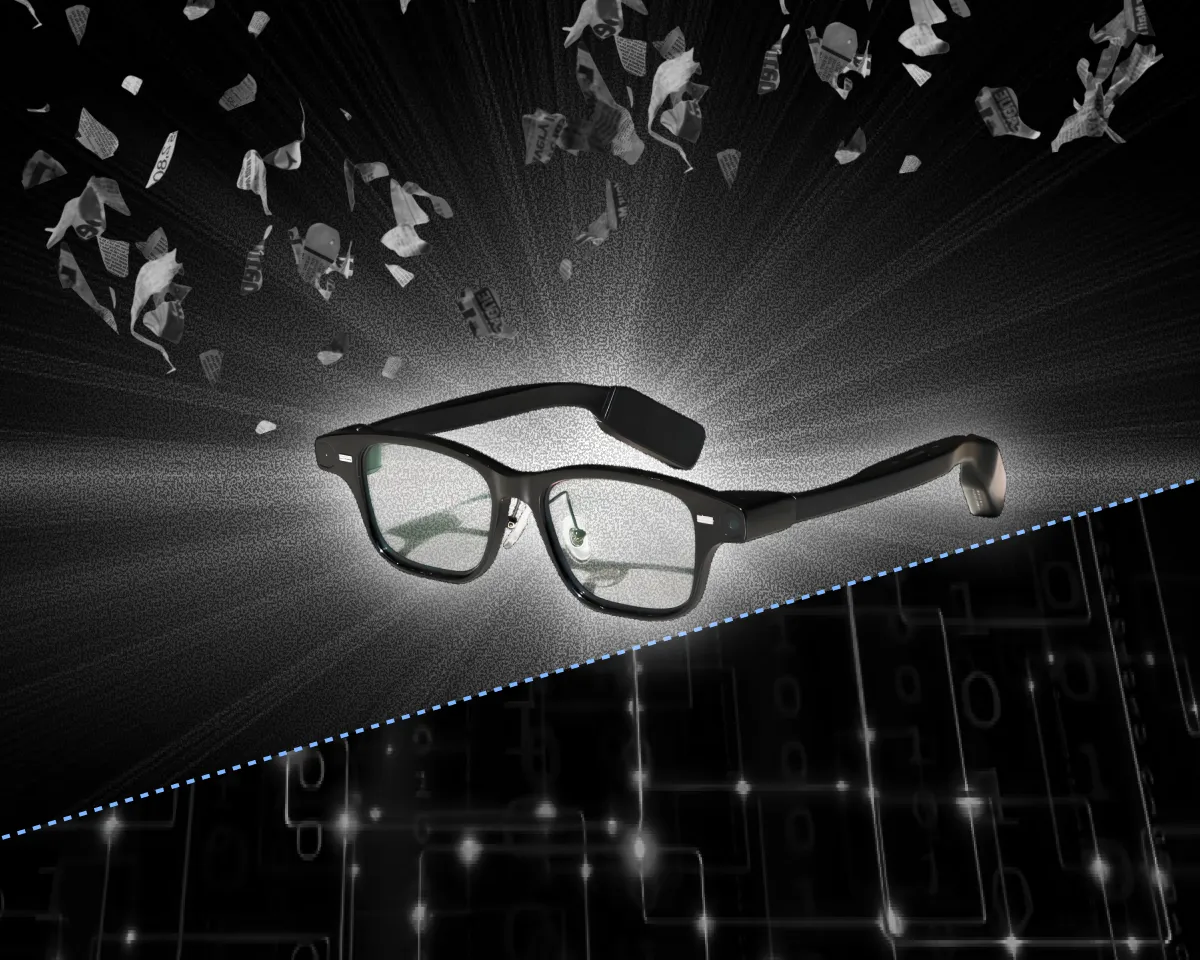
The U.S. Patent and Trademark Office has disclosed a patent application from Meta Platforms Technologies that describes an innovative system for smart glasses. The development enables facial recognition within the device's field of view, analyzes user actions, and automatically generates video highlights of key moments. This is not just another patent—it is a signal of how Meta envisions the future of wearable electronics and the integration of AI into everyday life.
According to the application, the system works as follows: a person wearing smart glasses is in a social setting, such as a dinner party. The device's cameras scan guests' faces, AI algorithms assess their interactions, and highlight the most significant episodes. Afterward, the assistant offers the user a selection of the evening's best moments, automatically editing them into a short clip. This approach transforms passive recording into an active tool for managing memories.
The key feature of the technology is not just facial recognition, but contextual analysis. The system takes into account gestures, facial expressions, and even the emotional tone of events, allowing it to distinguish formal conversation from vivid emotional outbursts. This requires significant computing power, raising questions about privacy and the ethics of using biometric data.
For the cryptocurrency and blockchain market, this news has dual significance. On one hand, Meta continues to strengthen its technological arsenal, which could affect its position in the race for metaverses and digital assets. On the other hand, increased biometric surveillance will inevitably drive demand for decentralized data protection solutions, including blockchain-based identity verification systems.
My analysis
This patent application is a clear sign that Meta is betting on the widespread adoption of AI in wearable devices. However, given past privacy scandals, the company will have to balance innovation against regulatory pressure. In the long term, it is decentralized identity protocols that may become the bridge allowing such technologies to exist without compromising user privacy.