Diraq opens its first quantum laboratory in the US: a new stage in the race for quantum supremacy
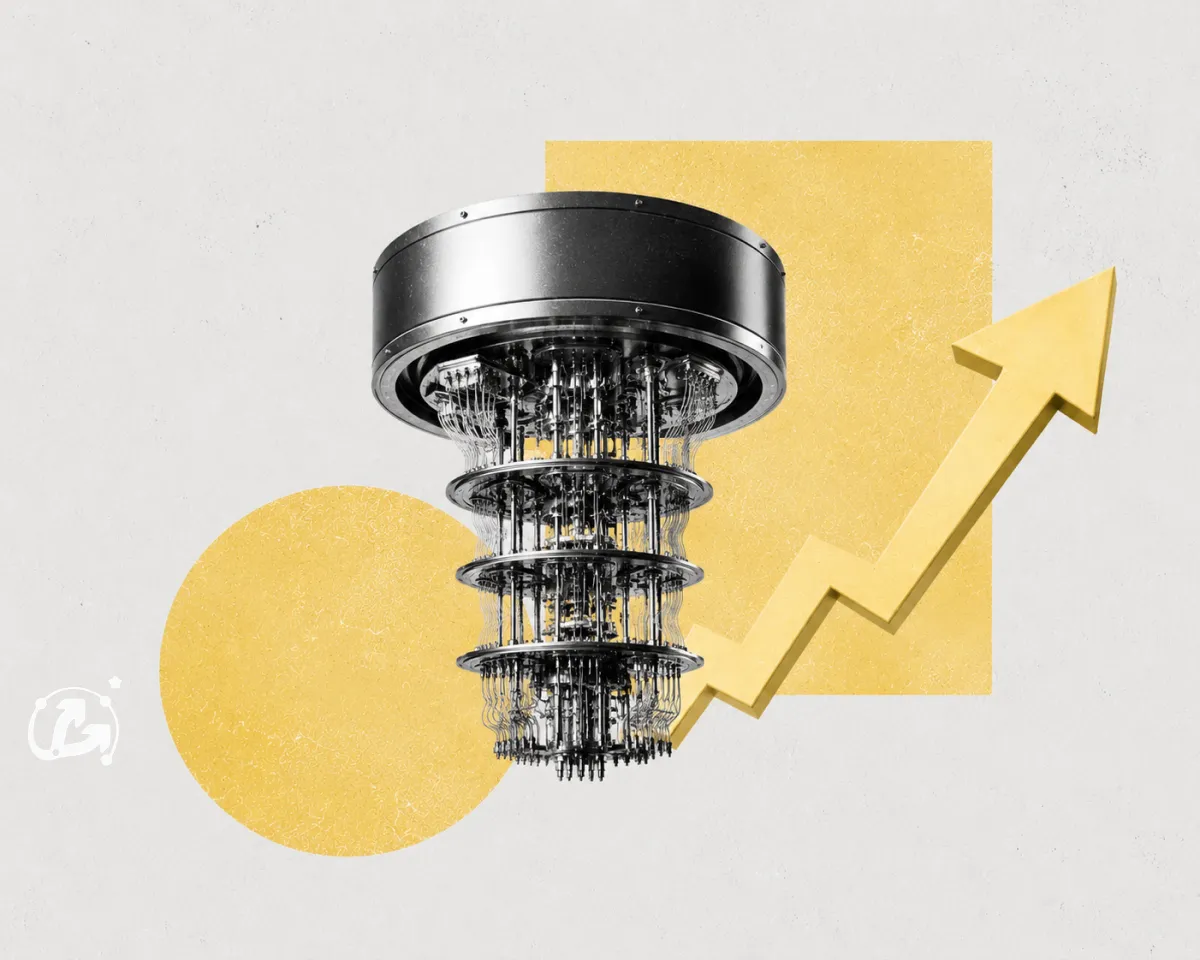
Australian quantum startup Diraq has made a strategic move by opening its first laboratory in the United States — in Chicago. This event marks not just an expansion of the company's geographic footprint, but a targeted entry into the epicenter of North American quantum research. The facility, integrated into the Illinois Quantum and Microelectronics Park program, is equipped with two advanced cryogenic systems designed for testing silicon spin qubits and associated control electronics.
Why Chicago and why now?
The choice of Chicago is no coincidence. This region is actively transforming into the largest hub for quantum technology in the U.S., attracting both academic institutions and private capital. For Diraq, whose technology is based on standard silicon processes, proximity to the American ecosystem is critically important. The laboratory will allow the company to conduct accelerated testing and iteration cycles, directly impacting the speed of developing commercially viable quantum processors.
A key feature of Diraq's approach is the use of silicon spin qubits. This technology is considered one of the most promising for scaling, as it is compatible with existing semiconductor infrastructure. Unlike superconducting qubits, which require extremely low temperatures and complex circuitry, silicon qubits can potentially be integrated into chips manufactured using standard fabrication processes. This gives Diraq a significant long-term advantage, especially when it comes to building systems with millions of qubits.
Expansion plans
Over the next year, the company intends to significantly expand its team in Chicago, attracting leading engineers and researchers. This is not just a staffing boost, but a signal to the market about the seriousness of Diraq's intentions to establish itself in the American market, which remains the primary proving ground for quantum technologies. Investments in local infrastructure also reduce logistical risks and accelerate interaction with potential customers and partners from the defense and corporate sectors.
My analytical conclusion: Opening a laboratory in the U.S. is not only a technical step but also an important political signal. In the context of global competition for quantum leadership, especially between the U.S. and China, a presence in Chicago gives Diraq access to government funding programs and joint projects with national laboratories. However, the main question remains open: will the company be able to demonstrate a real breakthrough in scaling silicon qubits, or will this remain a promising but far-from-commercialization direction? The next 12-18 months will be decisive for testing this hypothesis.