Trump pressures Congress on the CLARITY Act, but resistance is brewing in the Senate.
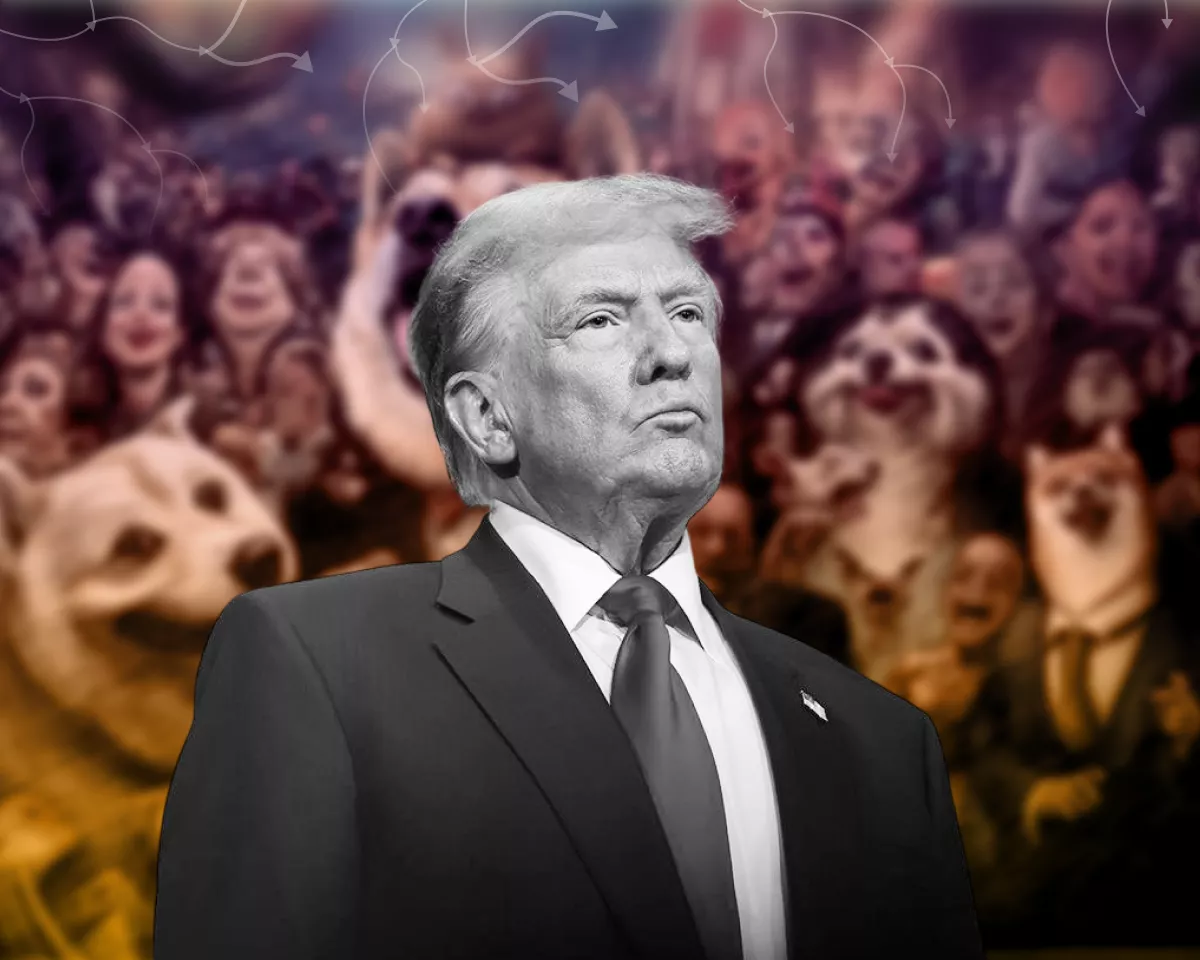
The American president has once again outlined his priorities: at a meeting with crypto industry leaders at the White House on August 19, he demanded that lawmakers pass a "fair version" of the CLARITY Act bill, which is intended to serve as the foundation for federal regulation of digital assets. The room included the heads of Coinbase, Ripple, Kraken, Gemini, Robinhood, Nasdaq, and Intercontinental Exchange, as well as SEC and CFTC chairs Paul Atkins and Michael Selig. According to the president, delay threatens U.S. leadership in the race with China for dominance in the blockchain sector.
Industry optimism versus Senate caution
The essence of the CLARITY Act is to create a unified federal regulatory system and clearly delineate authority between the SEC and CFTC. Coinbase CEO Brian Armstrong expressed confidence that the bill would cement the rules of the game "for decades" and could secure more than 60 votes in the Senate. However, such rosy forecasts collide with the reality of the legislative process. Arizona Senator Ruben Gallego, a key participant in bipartisan negotiations, publicly warned against a hasty vote.
At the Wyoming Blockchain Symposium, Gallego made it clear that Republicans and Democrats still need to resolve serious disagreements. These concern ethical restrictions for officials involved in crypto projects and the yield on stablecoins. "A quick vote gives a quick result, but I'm not sure that's what you want," the senator said, emphasizing that the final package still needs to be assembled and agreed upon, including the portion falling under the jurisdiction of the Agriculture Committee.
Ethical impasse and banking lobby
The main stumbling block is rules restricting the participation of sitting officials in cryptocurrency projects. This provision directly affects the commercial interests of the president's family, drawing sharp criticism from some Democrats. Gallego and Republican Tom Tillis have prepared a compromise version of the restrictions and sent it to the White House, but apparently received no substantive response. The senator insists that the parameters of ethical norms are the prerogative of Congress, not the executive branch.
The second flashpoint is stablecoin yields. American banks are demanding stricter bans on reward programs, viewing them as a hidden form of interest-bearing deposits. Crypto companies, in turn, see these attempts as protection of the traditional deposit model from competition. Recall that on August 6, the Senate postponed consideration of the CLARITY Act until September, and the bill's fate now hangs by a thread.
My analysis: The chances of passing the bill in its current form are fading before our eyes. Presidential pressure and industry optimism do not erase fundamental disagreements. If ethical norms and stablecoin issues are not resolved on a bipartisan basis, the CLARITY Act risks becoming yet another protracted political spectacle, leaving the market in limbo. The crypto industry should prepare for a lengthy negotiation process rather than a quick victory.