Ireland tightens crypto regulation: first national AML strategy targets privacy
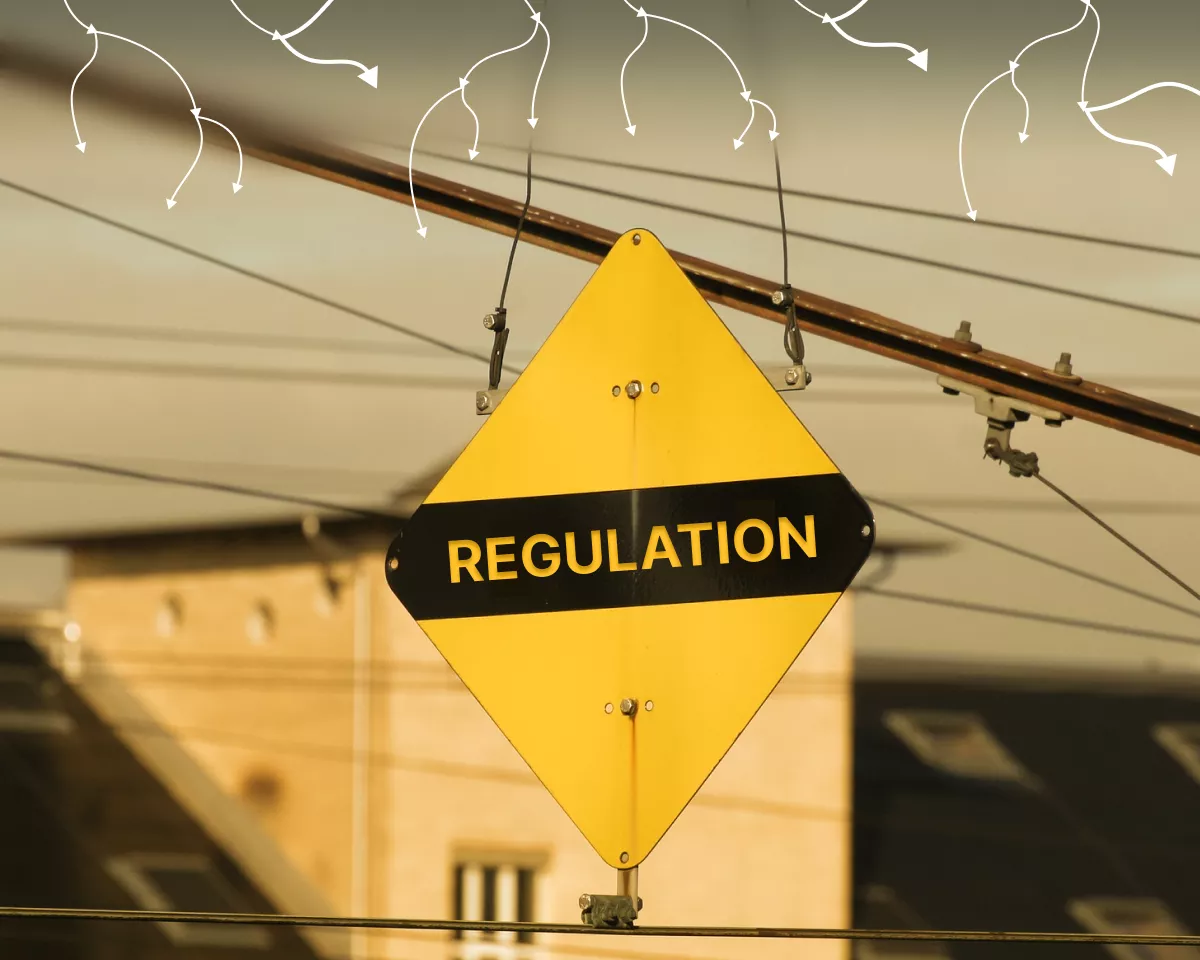 Ireland's Ministry of Finance has presented its first comprehensive national strategy to combat money laundering (AML) and terrorist financing (CFT). This document is not just a formality, but a clear signal to the market: the regulator intends to bring cryptocurrency flows, which have until now remained a gray area, under strict control.
The key blow falls on private wallets. The strategy introduces enhanced due diligence for transfers of funds from non-custodial addresses...
Riot Platforms raises $573 million to build an AI campus in Texas: a new era of mining
 A major player in Bitcoin mining, Riot Platforms, has secured project debt financing of up to $573 million. The funds will be used to purchase high-performance equipment and deploy a 191 MW data center for artificial intelligence at its campus in Rockdale, Texas. This is a strategic move that underscores the growing convergence between traditional mining and high-tech computing.
The credit facility is led by Morgan Stanley as administrative agent, reflecting high confidence from institutional financial structures in projects related to digital assets...
How to Safely and Efficiently Withdraw Funds from a Crypto Exchange: A Complete Analyst's Guide
Withdrawing funds from a cryptocurrency exchange is one of the most critical steps in managing digital assets. Mistakes made during this process can lead to frozen transactions, loss of funds, or even account blocking. In this guide, we will break down the key stages, risks, and best practices to help you withdraw funds safely and efficiently.
1. Preparation: Verification and Security
Before initiating a withdrawal, ensure your account has passed all necessary verification steps (KYC). Most exchanges set daily and monthly withdrawal limits depending on the verification level. Additionally, enable two-factor authentication (2FA) and whitelist withdrawal addresses in advance — this significantly reduces the risk of unauthorized access.
2. Choosing a Withdrawal Method
There are several main ways to withdraw funds from an exchange:
- Cryptocurrency transfer to a personal wallet — the most common and secure method. It allows you to maintain full control over your assets.
- Bank card withdrawal (fiat) — available on platforms supporting fiat operations. Requires passing KYC and may involve fees.
- P2P platforms — direct exchange of crypto for fiat with other users. Often offers better rates but requires caution.
- Bank transfer (SWIFT/SEPA) — suitable for large amounts, but may take several days.
3. Network Selection and Commission Optimization
When withdrawing cryptocurrency, it is crucial to choose the correct network. For example, USDT can be sent via TRC-20, ERC-20, or BEP-20. TRC-20 typically has lower fees and faster processing times compared to ERC-20. Always double-check the network to avoid losing funds — sending assets over the wrong network can result in their permanent loss.
4. Withdrawal Limits and Fees
Study the fee structure in advance. Some exchanges offer reduced fees for withdrawals in the platform's native token. Also, consider minimum and maximum withdrawal amounts. For large sums, it may be more profitable to split the transaction into several parts to reduce slippage and risks.
5. Risk Management
Always test with a small amount before transferring large sums. This helps verify the correctness of the address and network. Use only verified wallets and avoid storing large amounts on exchanges for extended periods. Remember: "Not your keys, not your coins."
6. Tax and Legal Aspects
Depending on your jurisdiction, withdrawing funds may trigger tax obligations. Keep records of all transactions and consult a professional to avoid legal issues. Some countries require mandatory reporting of cryptocurrency operations.
Conclusion
Withdrawing funds from a crypto exchange is a process that requires attention and preparation. By following the recommendations above, you can minimize risks and ensure the safety of your assets. Always stay vigilant and keep your private keys secure.
Network Selection: The Main Risk of Error The most common mistake is sending funds via the wrong protocol...
How to properly top up your balance on a crypto exchange: a guide for investors
Main methods of depositing funds Today, there are several key methods of funding a trading account. The choice of a specific option depends on your jurisdiction, available payment instruments, and goals...
The market is pricing in an 84% probability of a rate hike by the Bank of Japan in September.
The yen loses its hard-won ground This week, the yen weakened by approximately 1%, reaching 159...
Strategy on the Edge: Strategy and Metaplanet May Leave MSCI Indices Due to New Rules
 The largest bitcoin holders among public companies — Strategy and Metaplanet — are at risk of being excluded from the global MSCI indices. The reason is a new consultation proposal aimed at filtering out "non-operational" companies whose business model is built around investments in digital assets rather than traditional operational activities.
MSCI, one of the world's leading stock index providers, is considering tightening the selection criteria for its global indices (GIMI)...
OpenAI accelerates revenue to $40 billion: record pace amid personnel turbulence ahead of IPO
 OpenAI is demonstrating impressive financial momentum, reaching an annual revenue run rate of $40 billion. This figure doubles the forecasts made just a few months ago and significantly strengthens the company's position ahead of a potential initial public offering. However, amid such success, key executives are leaving the company, adding intrigue to the upcoming listing.
What is driving revenue growth The main drivers of explosive growth are three areas...
Justin Sun commented on the blocking of HTX on Binance: the restrictions will only affect the EU and the UK.
 HTX (formerly Huobi) founder Justin Sun broke his silence shortly after Binance announced it had blacklisted the exchange. According to him, the restrictions apply exclusively to users in the United Kingdom and the European Union, not to all platform clients. This statement came amid the approaching August 23 deadline, when Binance intends to stop processing transactions with HTX.
Sun emphasized that HTX is already in talks with UK and EU regulators to reach a global agreement...
The digital ruble and cryptocurrency: Russia is building two isolated payment circuits
 The average fee for transferring $200 abroad is about 6.4%, while through a bank this figure reaches nearly 15%. Moreover, the payment order itself reaches the recipient bank in just ten minutes. This is evidenced by my analysis of the current situation, which digital economist Ravil Akhtyamov examines in detail.
The key problem lies not in the speed of data transmission, but in the so-called "last mile"—compliance checks, reconciliations, and crediting of funds at the local bank...
DeadLock moves to Polygon, Ukrainian cyber police dismantled a network of fake exchangers: weekly digest
 The week was packed with events in the cybersecurity sphere. From physical scams at "exchange" offices to sophisticated attacks on critical infrastructure and the use of blockchain to protect malware — we break down the most high-profile incidents.
Ukrainian cyber police busted a network of fake Money 24/7 exchangers Law enforcement detained the organizer of a fraudulent scheme that operated under the guise of a legitimate currency and crypto-asset exchange service...
The Reverse Centaur: How AI Turns Humans into a "Biological Appendage" of the Machine
 Imagine a truck driver where every gesture is scanned by a neural network, the route is dictated by an algorithm, and the slightest deviation from the schedule results in an automatic fine. This is not a dystopian plot but the everyday reality of the modern economy. Here, the human no longer controls the machine—the machine controls the human.
In his work "The Reverse Centaur's Guide to Life After AI," writer Cory Doctorow introduces the term "the reverse centaur problem," describing an inversion of the classic symbiosis between humans and technology...
Tether reserves, USDT blockages in Russia, and Solana's fragility: the main risks of the week
 This week, I highlighted five key events that will determine the market's future trajectory: from regulatory pressure in Russia to the first truly independent audits of the largest stablecoin issuer.
Russian Compliance: Checks Out of Thin Air Russian banks have begun demanding that crypto companies confirm inclusion in a Central Bank registry that does not yet exist. This is classic de-risking ahead of September 1, when cryptocurrency settlements for foreign economic activity will cease to be an experiment and become routine...
Largest theft from hardware wallets: hackers stole more than 1700 BTC from Coldcard
 A large-scale attack on Coldcard hardware wallets has resulted in the largest confirmed losses this year: attackers stole at least 1,778.84 BTC, equivalent to approximately $112.7 million. According to my analysis based on fresh data from Galaxy Research, the last verified hack transaction dates to August 6, after which no new successful attacks were recorded.
Systemic bug in entropy generation The key cause of the incident is an error in Coinkite's firmware introduced back in 2021...
Ireland tightens crypto regulation: new AML strategy changes the rules of the game for private wallets and gambling
Ireland's Ministry of Finance has presented the country's first-ever national strategy to combat money laundering and terrorist financing. This document is not just a formality, but a clear signal to the market: the era of anonymous crypto transfers and unregulated operations in the jurisdiction is coming to an end.The key blow falls on private crypto wallets. Now, transfers from these wallets will be subject to enhanced checks...
Withdrawal: A Critical Analysis of Liquidity and Capital Management Strategies in the Crypto Industry
Anatomy of the process: from API to blockchain transactions When we talk about withdrawing funds, we encounter a multi-layered architecture...
How to Top Up Your Balance on a Crypto Exchange: A Comprehensive Guide from an Expert
Main Methods of Depositing Funds Modern platforms offer several deposit options, each with its own features, fees, and timeframes...
The market is pricing in an 84% probability of a rate hike by the Bank of Japan in September.
 Participants in the decentralized prediction market Polymarket have radically revised their expectations regarding Japan's monetary policy. In just two weeks, the probability of a rate hike by the Bank of Japan at the September meeting has surged from 22% to 84%. This signals a sharp shift in market sentiment, which is now betting on decisive action from the regulator.
The intervention effect weakens, and the yen comes under pressure again The reason for this reversal was the rapid dissipation of the effect of the currency intervention by Japanese authorities...
Strategy and Metaplanet may be dropped from MSCI indices due to new rules for "non-operating" companies.
The world's largest stock index provider, MSCI, has launched a consultation on changing the criteria for including companies in its global indices. The focus is on filtering out "non-operating" companies—those whose business is built not on production or services, but on asset ownership. A simulation based on May 2026 data showed that Strategy (formerly MicroStrategy) and Japan's Metaplanet would drop out of the indices...OpenAI accelerates revenue pace to $40 billion: record figures amid personnel turbulence
OpenAI is demonstrating impressive financial momentum, doubling its annual revenue run rate to $40 billion in just eight months. This surge comes at a critical moment: the company is preparing for a public offering, but simultaneously faces significant turnover in its senior leadership.Three Growth Drivers Analysis shows that three key areas contributed the most to this acceleration. First, the ChatGPT subscriber base continues to grow...
Justin Sun on HTX blocking on Binance: restrictions will only affect the EU and the UK
 HTX (formerly Huobi) founder Justin Sun claims that the restrictions imposed by Binance on his exchange apply exclusively to users in the United Kingdom and the European Union. However, the official Binance notice contains no such geographic reference.
This statement came on Friday evening — just a few hours after Binance announced it had blacklisted HTX. Sun also reported that HTX is already in talks with UK and EU regulators about a global settlement...
Double circuit instead of a single one: how the new law will split Russia's crypto market into "inside" and "outside"
Sending $200 abroad today costs an average of 6.4% of the amount, and through a bank — almost 15%. At the same time, the payment message itself reaches the recipient bank in ten minutes. All the remaining delay and the lion's share of costs are not data transmission but post-processing: compliance checks, reconciliation, and crediting at the local bank. Over the past month, five different approaches have tried to close this gap, and the Russian approach turned out to be the most unusual...DeadLock is mastering Polygon, Ukrainian scammers lose millions, and hackers attack airplanes: cybersecurity digest
Another week brought a whole range of threats—from run-of-the-mill scams to attacks on critical infrastructure. I break down the key events shaping the digital security landscape.Ukrainian network of fake exchangers: a show with an office and "guarantees" Law enforcement dismantled the fraudulent network Money 24/7, which mimicked a legitimate exchange office. The scheme was thought through to the smallest detail: polished websites, an officially registered trademark, and even an office with a cash register to project credibility...
Reverse centaur: how AI turns humans into a biological appendage
Imagine a truck driver where the algorithm doesn't just plot the route but controls every movement, fines them for singing, and demands impossible endurance. This isn't science fiction but a new reality I increasingly observe in the industry. This isn't about augmenting humans with machines but about a complete inversion of roles, where humans become mere executive organs for artificial intelligence...Tether reserves, banking compliance in Russia, and Bitcoin's identity crisis: key events of the week
This week, the market faced a series of landmark events: from the first truly independent reserve audits of the largest stablecoin issuer to systemic risks in the infrastructure of popular blockchains. I analyze each of them in terms of long-term implications for the industry.Russian Banks and Crypto Companies: Presumption of Guilt Russian financial institutions have begun requiring crypto companies to confirm inclusion in the Central Bank's registry, which has not even been created yet...
Largest blow to self-custody: hackers withdrew more than 1700 BTC from Coldcard hardware wallets
A large-scale incident involving Coldcard hardware wallets has resulted in the largest theft of funds from users adhering to self-custody principles. According to my data, the confirmed damage amounts to at least 1,778.84 BTC — about $112.7 million at the current exchange rate. Notably, no new confirmed hacking cases have been recorded since August 6.Attack Mechanics: A Flaw in the Random Number Generator During my analysis, I was able to establish that the attack began no later than the morning of July 30...
Ireland has approved a national AML strategy: new rules for crypto wallets and gambling
The Irish Ministry of Finance has presented the country's first-ever national strategy aimed at combating money laundering and terrorist financing in the cryptocurrency sector. This step marks a systematic approach by the regulator to integrating digital assets into the legal framework, and I assess it as a timely response to the growing risks associated with transaction anonymity.A key element of the document is the tightening of control over transfers from private (non-custodial) wallets...
Withdrawal: The ultimate test for crypto exchanges and a market trust indicator
How to safely and profitably top up a crypto account: an analysis of key strategies
Choosing a Network: The Main Cost Factor The first thing I analyze before any operation is the transfer network...
The market is pricing in an 84% probability of a rate hike by the Bank of Japan in September.
Participants of the decentralized prediction platform Polymarket have sharply revised their expectations regarding Japan's monetary policy. In just two weeks, the probability of a key rate hike by the Bank of Japan at the September meeting has surged from 22% to 84%. This is a signal that cannot be ignored.Such a rapid shift in sentiment coincided with the weakening effect of currency interventions by Japanese authorities...
Strategy under question: Strategy and Metaplanet may leave MSCI indices due to new rules
The largest public bitcoin holders — Strategy and Metaplanet — risk being excluded from the global MSCI indices. The reason is a new consultation draft aimed at filtering out so-called "non-operating" companies whose business model is built around investments rather than operational activities.MSCI, one of the world's leading stock index providers, is considering tightening its inclusion criteria...